Why Fermentation Changes the Taste of Food
Why fermentation changes the taste of food: learn to notice how microbes shape sourness, aroma, texture, and depth in yogurt, sourdough, miso, and kimchi.
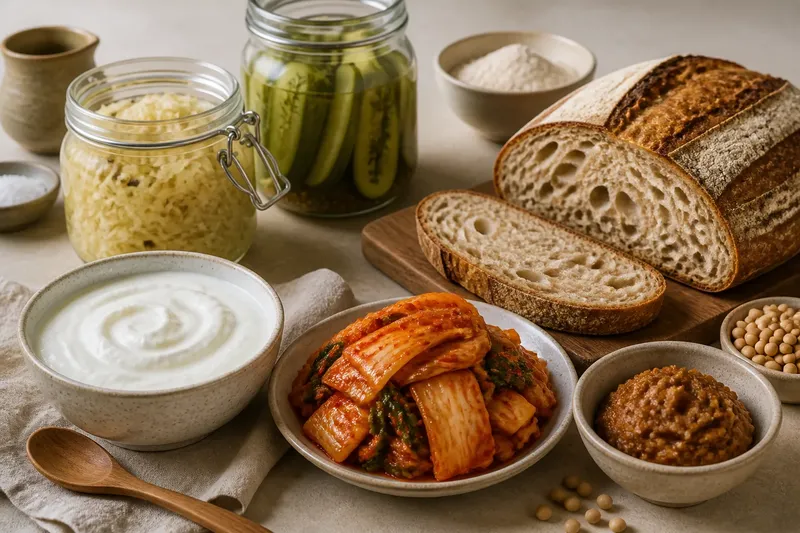
Why fermentation changes the taste of food is easy to hear in the contrast between plain milk and yogurt, or fresh cabbage and kimchi. Microbes use some of a food’s available compounds and produce others, changing its aroma, acidity, sweetness, and texture. The result is not simply food left to change; it is a new arrangement of flavors and sensations.
Those changes depend on the ingredients and the microorganisms at work. A useful way to understand them is to notice what fermentation does to sourness, aroma, texture, and the balance among flavors.
How does fermentation create sourness?
Many familiar fermentations involve bacteria that produce acids as they use sugars. In yogurt, lactic acid makes milk taste tangy and helps its proteins gather into a soft, spoonable structure. In sauerkraut, acid production gives cabbage its clean sourness and distinguishes it from salted, unfermented cabbage.
Acidity is more than a sour note. It can make a rich food feel brighter, sharpen a sauce, or balance vegetables’ natural sweetness. A spoonful of yogurt beside a spiced stew brings coolness and tartness, changing how the surrounding flavors register.
Fermented sourness also differs from the direct acidity of lemon juice or vinegar. Those ingredients add acid already present in the liquid. During fermentation, acid develops alongside other compounds, so the result may taste rounder, more savory, or faintly sweet as well as sour.
What happens to sugars during fermentation?
Food starts with a mix of sugars, starches, proteins, and other compounds. Microorganisms use some of these as food, producing substances that may include acids, gases, or alcohol, depending on the fermentation. The balance of what is consumed and produced gives the finished food a character distinct from its starting point.
In sourdough bread, naturally occurring yeasts and bacteria contribute to the dough’s aroma and taste. Yeast produces carbon dioxide that helps the dough rise, while bacterial activity contributes acidity and other flavor compounds. Baking then adds toasted aromas, so the loaf’s character comes from fermentation and oven heat together.
Fermentation does not remove every trace of sweetness. It can change how sweetness sits beside sourness, savoriness, and aroma. A fermented drink may taste lively and tart even if some sweetness remains, while a fermented dough can have more layered flavor than one made with yeast alone.
How does aroma shape fermented food’s flavor?
What people call flavor includes smell, and fermentation can create aromatic compounds that give foods distinct impressions. Miso, for example, may seem nutty, earthy, savory, or gently sweet. Those qualities arise as soybeans and grains change during fermentation; “salty” alone does not describe its character.
Kimchi’s aroma may combine fresh cabbage, pungent garlic, and fermentation’s tang. As it develops, the balance can shift and the scent may become more pronounced. The ingredients still matter, but microbial activity changes how their combined aroma reaches the nose.
Before tasting aged cheese, pause to smell it. Its aroma offers clues about the flavor to come, and a stuffy nose can make the taste seem less vivid. Fermentation gives food a new aromatic profile; the eater’s sense of smell helps turn that profile into an impression of flavor.
Why does fermentation change texture?
Texture changes along with taste. In yogurt, acid encourages milk proteins to form a network that holds liquid and gives the food body. The result may be creamy or firm, depending on the milk, fermentation, and later processing, but the distinctive change begins with the interaction between acid and protein.
Vegetables behave differently. A fermented cucumber may lose some crispness as its structure changes, while a well-prepared one can retain a pleasant bite. Crisp, tender, and soft are distinct eating experiences, not details to overlook. Salt, the vegetable’s condition, and the fermentation environment all influence the result.
Fermentation can also create gas, as in leavened dough. Bubbles leave bread with an airy crumb rather than the dense texture of an unrisen mixture. In other foods, gas contributes a light sparkle or slight effervescence. The same sign can feel appealing in one product and unwelcome in another because texture is judged in context.
How does time change a ferment’s flavor?
As fermentation proceeds, the balance of acids and aroma compounds can shift. A younger fermented vegetable may taste brighter and retain more of its original character; a more mature one may taste sharper, softer, or more integrated. This is not simply a scale from mild to strong. Different qualities can become more or less noticeable at different points.
Imagine a cook opening a jar of fermented cabbage to serve with a rich bean dish. The cabbage tastes especially sharp, so the cook sets out a modest portion and lets diners add more at the table. The observable result is that each person can adjust the contrast, and the cabbage can cut through the beans without overwhelming them.
Temperature and the organisms present also affect how fermentation develops. Two foods made from similar ingredients can therefore have different aromas or textures. A recipe may describe an intended character, but the food itself is best understood through its taste, smell, and texture as it changes.
Can seasoning imitate fermentation’s depth?
Salt can season food, and acid can make it taste tart, but neither alone reproduces fermentation’s layered character. Miso, for example, contributes saltiness along with savory depth and an aroma that develops as soybeans and grain are transformed. Salt and lemon can create a useful contrast in a dish, but they will not create miso’s particular flavor.
The same distinction appears in bread. A quick dough can be flavorful, but sourdough’s characteristic tart and aromatic notes come from the activity of its culture, not merely from adding an acidic ingredient. Fermentation generates several changes together: flavor, aroma, and often texture.
That is why a fermented food can function as more than a seasoning. A little miso can deepen a broth; yogurt can cool and brighten a meal; kimchi can bring acidity, crunch, and pungency in one bite. If you substitute, aim to balance the dish rather than imitate just one note.
What should you notice when tasting fermented food?
Why does yogurt taste tangy?
Bacteria produce lactic acid as they use sugars in milk. The acid gives yogurt its tart taste and helps its proteins form a thicker texture.
Why does sourdough taste different from yeast bread?
Sourdough cultures include bacteria as well as yeast, and their activity contributes acidity and aroma. Fermentation followed by baking creates a flavor profile that yeast alone does not automatically share.
Does fermentation always make food sour?
No. Acidity is common, but fermented foods can also taste savory, sweet, nutty, or earthy, depending on the ingredients and microorganisms involved. Miso and some cheeses show that fermentation has more than one flavor direction.
Why can the texture of one fermented food vary?
Ingredients, microbial activity, and fermentation conditions all influence texture. Yogurt may be soft or firm, while fermented vegetables can range from crisp to tender.
When you ask why fermentation changes the taste of food, look beyond sourness. Notice the aroma, whether the texture has softened or become more open, and how the flavors interact with the rest of the meal. Tasting those qualities separately makes it easier to choose a fermented food for the particular contrast or depth a dish needs.